
WHEN THE BODY LOSES ITS FITRAH
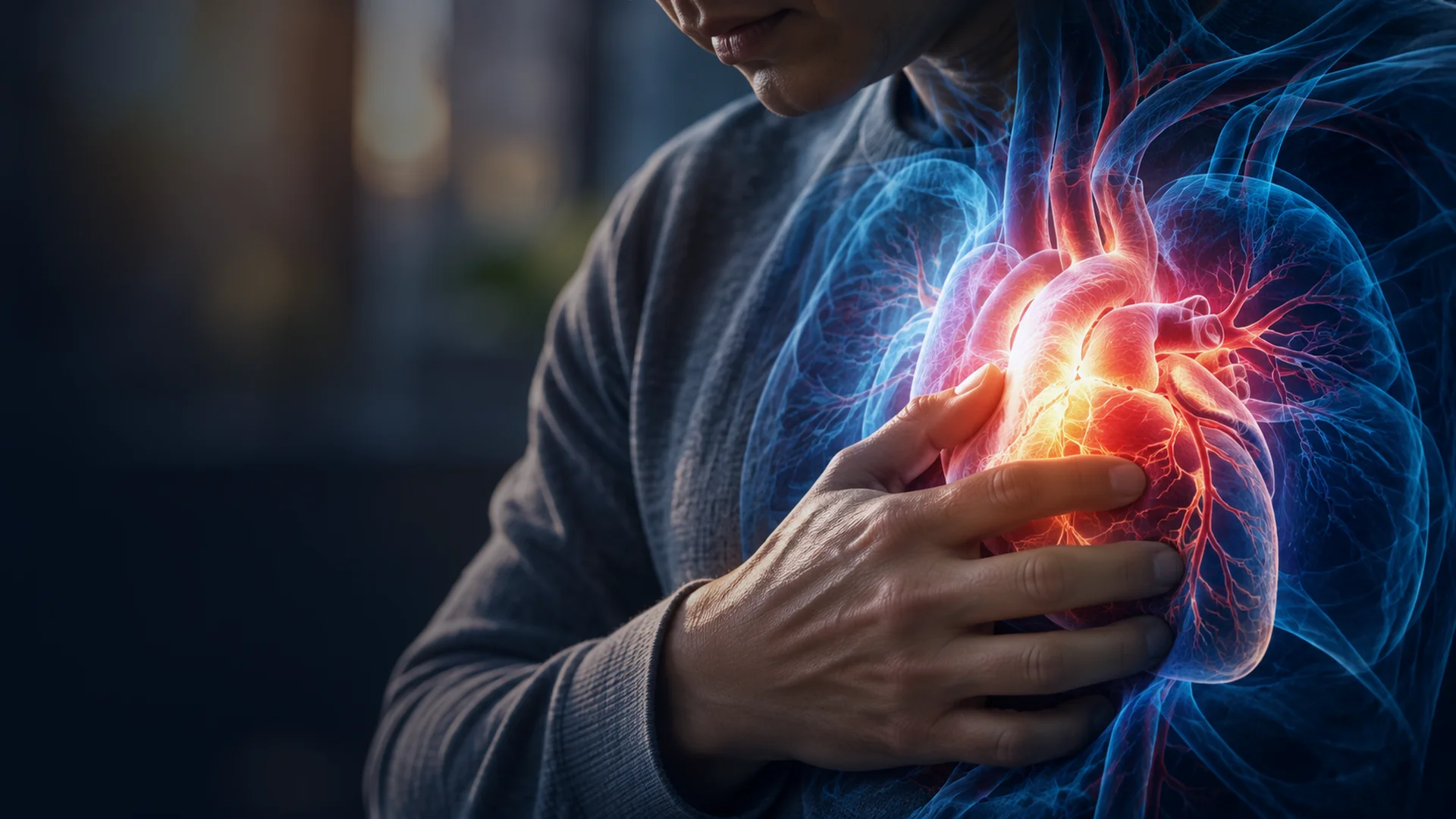
You may have spent years caring for everyone around you — your family, your work, your responsibilities and the people who depend on you. In the name of love and responsibility, it is easy to give away pieces of yourself quietly: your sleep, your time, your energy and sometimes even the attention your own health has been asking for. Cancer makes this truth especially profound. It may begin with abnormal cells and tissues, but its impact rarely stays there. Pleural cancer can affect breathing, physical activity, sleep, energy, independence and the way a person imagines the future. Yet illness does not diminish human worth. A person living with pleural cancer remains worthy of tenderness, dignity, attention and care.
This leads us to a deeper question:
What happens when the natural order that helps the body maintain balance begins to change?
At Ibnu Sina Wellness, this is where we begin looking beyond a single diagnosis. We model the fundamentals of Ibnu Sina’s medical philosophy through a contemporary whole-person framework that considers the BODY-HEART-MIND-SOUL. [1]
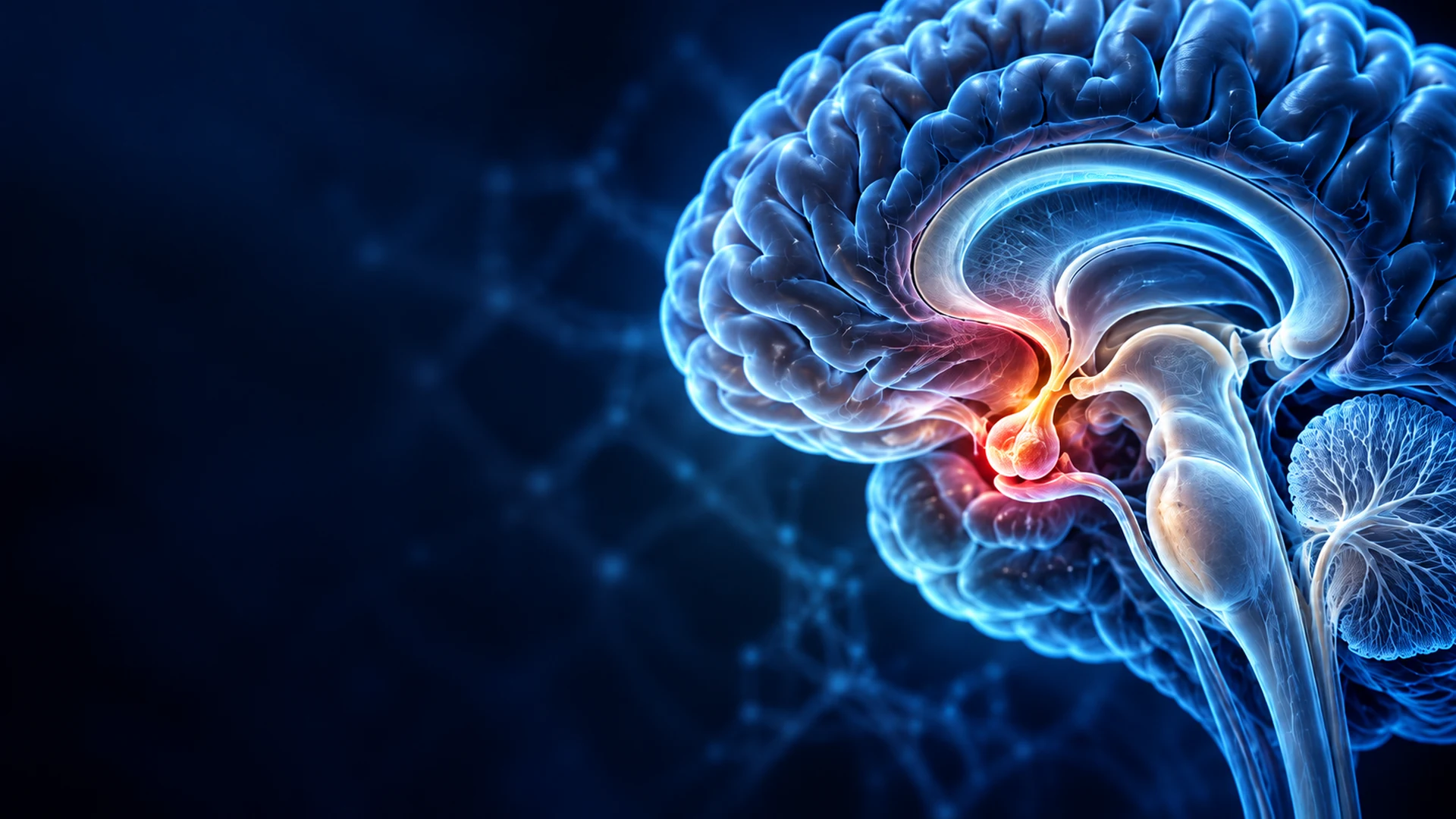
The body is not a collection of isolated parts. The human body functions as one connected living system, connected to the environment and way of life.
BUT WHY DOES CANCER OCCUR?
After a cancer diagnosis, one question can become difficult to escape:
“Why did this happen?”
Cancer is a complex group of diseases in which abnormal cells can grow beyond their usual boundaries and, in some cancers, invade surrounding tissues or spread to other parts of the body. Cancer develops through interactions between cellular changes and multiple biological, environmental and lifestyle influences. [2] But cells do not live in isolation. They exist within tissues containing blood vessels, immune cells, structural components and chemical signals.
Inflammation is one example. It is normally part of the body’s protective response. But when inflammatory activity remains active over a prolonged period, it can contribute to tissue dysfunction and biological processes associated with long-term disease, including cancer. [4] This gives us a more useful way to think about cancer.
Cancer is not simply a lump that suddenly appeared.
It is a complex disease occurring within an equally complex human body.
And therefore we ask:
How do we understand the condition of the whole system rather than looking only at the place where the disease becomes visible?
WHAT MAKES PLEURAL CANCER DIFFERENT?
The pleura is a thin membrane associated with the lungs and inner chest wall. Its two layers create a small lubricated space that allows the lungs to move more smoothly during breathing. One of the most important primary malignant tumours arising from this tissue is pleural mesothelioma. [3] But an important distinction must be made. Cancer involving the pleura is not automatically primary pleural mesothelioma. The pleura may also be affected by cancers that originated elsewhere and spread to the chest. Determining where the malignancy began is therefore essential.
Pleural mesothelioma develops from mesothelial cells lining the pleural surfaces and has several important histological patterns, including epithelioid, biphasic and sarcomatoid forms. These differences can influence tumour behaviour, prognosis and treatment planning. [3] [5] Pleural mesothelioma is also biologically complex. Molecular research has identified frequent alterations in tumour-suppressor genes including BAP1, CDKN2A/CDKN2B and NF2, with other molecular changes contributing to the disease landscape. [5]
The most important established environmental cause is asbestos exposure. [3] [6] Exposure has historically occurred particularly in occupational settings where asbestos fibres were inhaled. One unusual feature of mesothelioma is its long latency: decades may pass between exposure and diagnosis. A systematic review examining asbestos exposure and malignant pleural mesothelioma reported a mean latency of approximately four decades across the included evidence. [6]
But asbestos exposure does not explain every biological aspect of the disease. Genetic susceptibility can also matter. Alterations involving BAP1 may occur within the tumour, while inherited germline BAP1 variants occur in a smaller group of people and can be associated with susceptibility to mesothelioma and other cancers. [13] These should not be confused: a somatic BAP1 alteration found in a tumour is not the same as inheriting a germline BAP1 variant.
Possible symptoms of pleural mesothelioma can include increasing shortness of breath, chest pain, cough, fatigue, unexplained weight loss and symptoms related to pleural fluid accumulation. [3] These symptoms can have many causes other than cancer. But persistent or unexplained breathing difficulty, chest pain or other concerning changes deserve appropriate medical assessment.
Understanding these disease-specific features matters. But the pleura still belongs to a living person whose physical health, emotions, thoughts, relationships, responsibilities and spiritual wellbeing continue alongside the diagnosis. The tumour matters. But so does the person living through everything around it.
WHAT DID IBNU SINA UNDERSTAND ABOUT HEALTH AND DISEASE?
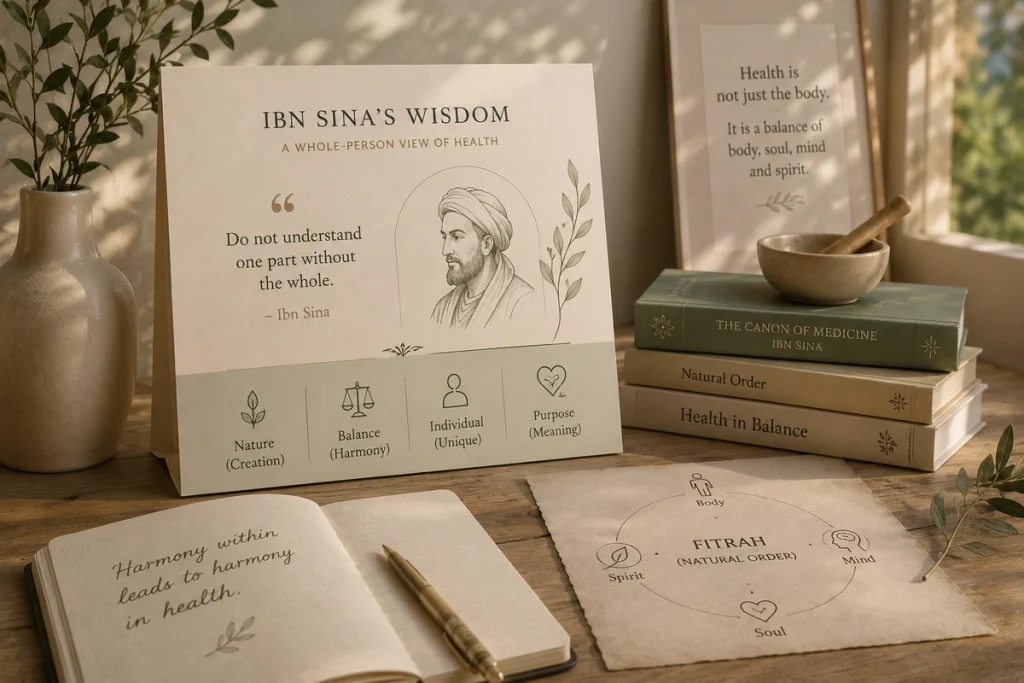
Ibnu Sina — also known as Avicenna — wrote more than 450 books including Al-Qanun fi al-Tibb, or The Canon of Medicine. His medical writings reflected the knowledge and medical framework beyond his historical period, including the humoral theory — a model that explained health through the balance of bodily humours or fluids. [8] An important principle within Ibnu Sina’s medical reasoning remains deeply relevant to the philosophy of Ibnu Sina Wellness: do not understand one part of ailment without understanding the condition of the whole person. [1]
At Ibnu Sina Wellness, we have taken inspiration from this whole-person orientation and developed it into a contemporary framework. The disease may appear in one part of the body, but the person experiencing it is always more than that one part.
IBNU SINA WELLNESS — MODELING THE FUNDAMENTALS OF IBNU SINA MEDICINE
Ibnu Sina Wellness was established in 2015 in Kajang, Selangor, Malaysia. Since then, our work has focused on bringing whole-person principles into a structured wellness model. We have served people from Malaysia, Singapore, Indonesia and Brunei, including people living with complex and long-standing health challenges.
Through that experience, one principle has remained central to our philosophy:
We do not reduce a person to a diagnosis.
We want to understand the whole human being.
THE BPS-S LENS VIEWS THE PERSON BEHIND THE DIAGNOSIS
This is where the Biopsychosocial-Spiritual, or BPS-S, framework becomes especially important. BPS-S recognises that human health and illness are experienced across interconnected biological, psychological, social and spiritual dimensions. These dimensions do not exist as separate compartments. They belong to one human life. [1]
For someone living with pleural mesothelioma, the biological dimension may include breathlessness, chest discomfort, fatigue, reduced physical capacity, pleural fluid, treatment effects, nutrition, sleep and physical recovery. [3] [7] The psychological dimension may include fear, uncertainty, concerns about disease progression, grief over changes in the future and the emotional strain of living with a serious diagnosis. The social dimension may include family roles, work, finances, dependence on others, caregiving needs and the impact of illness on spouses, children and other family members. The spiritual dimension includes meaning, hope, purpose, relationship with Allah and the way a person understands illness within the wider journey of life.
Whole-person care therefore creates space to understand not only the biological condition, but also what the person is carrying emotionally, socially and spiritually. [9] Research directly involving people living with pleural mesothelioma and family carers has identified needs involving tailored information, treatment coordination, social and peer support, psychological services, concerns about the impact on family and the loss of an expected future. [10] This is why whole-person care matters particularly in a disease that may affect not only the person diagnosed, but also those caring for them.
A diagnosis tells us what disease is present. It does not tell us everything the person is carrying.
To care for the person well, we must first learn to see the person as a whole.
AT IBNU SINA WELLNESS, WE DO NOT LOOK AT ONLY ONE DISEASE
When someone comes to us with pleural cancer, we do not want to see only the words written on a medical report. We want to see:
THE WHOLE PERSON.
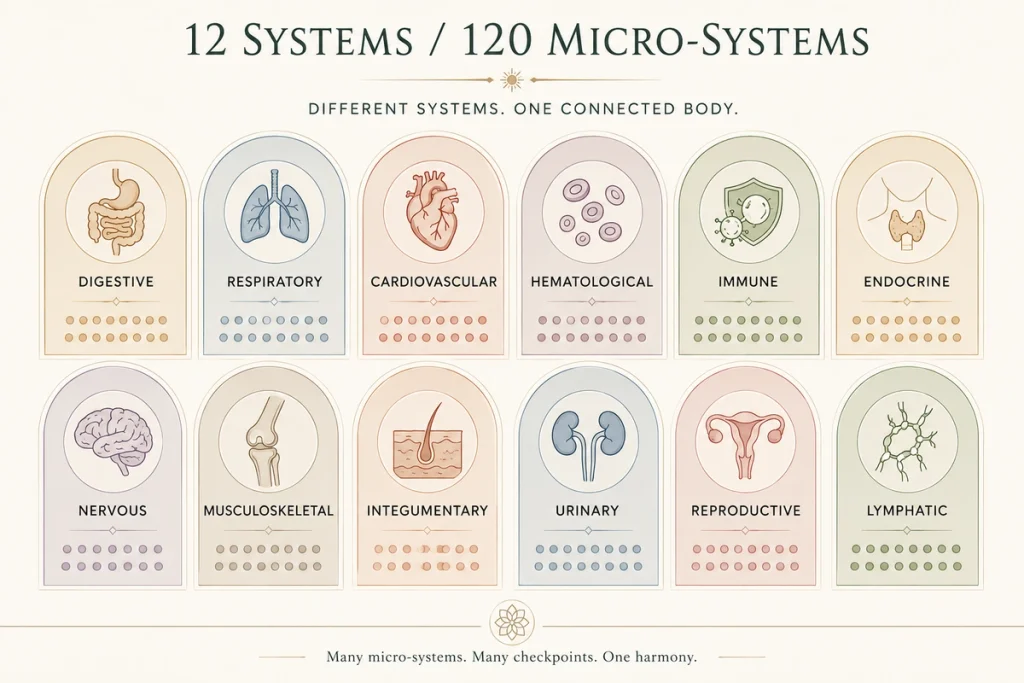
Within the Ibnu Sina Wellness functional framework, body functions are mapped across:
12 MAJOR BODY SYSTEMS and 120 MICRO-SYSTEMS.
The 120 Micro-Systems are an Ibnu Sina Wellness functional framework. They give our practitioners and educators a more detailed way of asking:
“Where is the body’s function giving us a signal?”
Instead of seeing one disease in one anatomical location, we look at the interconnected network supporting the person.
THE 12 SYSTEMS ARE NOT 12 SEPARATE MACHINES
The human body is made up of systems with different responsibilities, but they do not function like twelve separate machines. The nervous system communicates and coordinates. The endocrine system regulates through hormones. The cardiovascular system circulates blood, oxygen and nutrients, while the respiratory system performs the essential exchange of gases. The digestive system processes and absorbs what we eat, the liver carries out vital metabolic and processing functions, and the urinary system regulates fluids while eliminating metabolic waste. [11]
The same interdependence continues throughout the body. The immune system protects and monitors, the lymphatic system supports immune function and fluid balance, the musculoskeletal system provides structure and movement, the integumentary system — the skin, hair, nails and associated structures — protects the body while interacting with the external environment, and the reproductive system carries reproductive and hormonal functions. [11]
The lungs expand within the chest during breathing. Respiratory movement depends on coordinated interaction among the lungs, pleural surfaces, chest wall, diaphragm, respiratory muscles and nervous system. Disease affecting the pleural space can therefore influence breathing and physical function beyond the membrane itself.
But none of these systems operates independently. Hormones travel through the circulation. The lungs and cardiovascular system work together to deliver oxygen. The kidneys regulate fluids and electrolytes. The nervous and endocrine systems coordinate countless processes throughout the body. [11]
The body works through connection.
And that is why understanding one part often requires us to look at the system surrounding it.
THE 120 MICRO-SYSTEMS AS CHECKPOINTS
This is where our 120 Micro-Systems become particularly important. Rather than beginning only with the question, “What disease do you have?”, we begin by looking more closely at the signals the body is giving us. Which system is signalling that something has changed? Which micro-system may be involved? What function is being affected? What may be disturbing that function? And what root-cause factors may need to be explored?
This creates a pathway for deeper investigation:
Symptom → System → Micro-System → Function → Imbalance → Root-Cause Factors → Restoration of Balance
The purpose is to move beyond naming the symptom and stopping there. A symptom can tell us where to begin looking, but it does not necessarily tell us the whole story.
The symptom is not the end of the investigation.
It is the beginning.
WHY THE MICRO-SYSTEM CANNOT BE SEPARATED FROM THE WHOLE PERSON
There is another principle that is essential: a micro-system does not exist separately from the life of the person experiencing the problem. A biological function may be under strain, while the same person may also be experiencing fear, anxiety, grief, anger, uncertainty, disturbed sleep, changes in relationships, loss of confidence, caregiving demands or spiritual distress. A biological function may be under strain while the same person is also living with breathlessness, fear, loss of independence, uncertainty about the future or spiritual distress.
For someone living with pleural mesothelioma, questions may include:
Why am I becoming breathless? Why is there fluid around my lung? Will I be able to remain active? How will treatment affect me? What will happen to my family? What does the future now look like?
These questions belong to the person experiencing the disease. The BPS-S perspective helps us understand how these dimensions exist within the same life. What happens in the body is experienced by a person who also has emotions, thoughts, relationships, responsibilities and a spiritual life. [1] So when we say “we look at the micro-system,” we are not looking only at biology. We are also asking what is happening emotionally and mentally, what is happening within relationships and circumstances, and what is happening within the spiritual dimension of life.
Because these are not separate human beings. They are dimensions of one human life.
And that is why understanding the micro-system must always lead us back to understanding the whole person.
THE MICRO-SYSTEM IS A BIOLOGICAL CHECKPOINT — BUT THE PERSON IS MORE THAN BIOLOGY
Imagine a city. You cannot understand its condition by looking at one building alone. Roads, water systems, electricity, communication networks, transportation, waste management, security and emergency services all depend upon smaller functions working together. The human body is far more complex.
Every major system contains specialised functions, and those functions continuously interact with others. But the human being adds another layer: the person living inside that body has emotions, thoughts, relationships, memories, responsibilities, values and a spiritual life. [9] The physical condition is real. But so is the person experiencing it.
A biological checkpoint can help us understand what is happening within the body, but it can never describe the whole human being.
WHAT DOES “TOXIC BURDEN” MEAN AT IBNU SINA WELLNESS?
One of the concepts we investigate at Ibnu Sina Wellness is toxic burden. This can include harmful exposures associated with cancer risk, such as tobacco smoke, alcohol, air pollution, ultraviolet and ionising radiation, cancer-causing infections and particular occupational or environmental carcinogens. [2] [12] We also look at the wider metabolic and lifestyle environment surrounding the individual. Excess body weight, physical inactivity and patterns of nutrition are among the modifiable factors studied in relation to cancer risk, while chronic inflammation forms part of the wider biological environment relevant to disease. [4] [12]
Sleep and prolonged stress matter here for a different but equally human reason. They shape the way a person functions, copes and moves through illness, and therefore belong within the wider whole-person picture. [1] [10] This can include avoidable harmful exposures associated with cancer risk across populations. [2] [12] For pleural mesothelioma, however, disease-specific evidence must remain central.
Asbestos is the major established environmental cause of pleural mesothelioma. [3] [6] Its relevance is very different from making a vague claim that unspecified “toxins” caused the cancer. Because disease may appear decades after exposure, an occupational or environmental history from many years earlier can still be medically relevant. [6]
Genetic susceptibility, including rare inherited BAP1-related predisposition, represents a different biological pathway and should not be described as environmental toxic exposure. [13] These distinctions matter. We also look at nutrition, movement and sleep because they matter to general wellbeing and recovery, but they should not be presented as proven causes of pleural mesothelioma.
Likewise, fear, grief, chronic stress or spiritual difficulty should never be described as causes of the cancer. Chronic inflammation forms part of the wider biological environment relevant to long-term disease. [4] Emotional and mental burdens matter for a different reason: they influence how a person functions, copes and lives through illness.
At Ibnu Sina Wellness, toxic burden means examining avoidable harmful exposures and modifiable burdens while respecting what disease-specific science actually shows. At Ibnu Sina Wellness, we bring these pieces together to understand the wider pattern of exposures, physiological demands and modifiable burdens surrounding the person.
The body does not experience life as a list of separate risk factors. It experiences the pattern created by them over time.
Toxic burden is therefore not one substance. It is the cumulative pattern of what the body has repeatedly been asked to process, tolerate and adapt to over time.
THE BIOLOGICAL BURDEN AND THE EMOTIONAL-MENTAL-SOUL BURDEN
A person may carry biological burdens while also carrying grief, fear, anger, betrayal, loneliness or unresolved emotional pain. The mind can carry its own burden too — constant worrying, overthinking, perfectionism, self-criticism, uncertainty or feeling that one must always remain strong. Daily life may add another layer through caregiving responsibilities, financial pressure, relationship conflict, work demands and long periods of uncertainty. There is also the spiritual dimension. A person may struggle with meaning, hope, spiritual connection, trust in Allah or the feeling that life has lost its direction. Spiritual distress has also been described among people living with cancer. [15]
Pleural mesothelioma can place a heavy biological burden on daily life. Breathlessness can limit movement. Chest discomfort may disturb sleep. Fatigue can reduce independence. Changes in physical capacity may affect work, family responsibilities and activities that once felt ordinary.
But people living with pleural mesothelioma and their family carers may also carry fear about progression, concern about the future, psychological distress and worries about becoming a burden to loved ones. [10] These experiences are not biological causes of mesothelioma. They are part of living through the disease. A person may also struggle with meaning, hope, spiritual connection or trust in Allah. Spiritual distress has been described among people living with cancer. [15] This is why the BPS-S perspective matters.
The biology matters.
But so do the heart, the mind, the life surrounding the person, and the soul.
OVERHAUL BODY™ — SUPPORTS THE WHOLE SYSTEM
This is where Overhaul Body™ fits into the Ibnu Sina Wellness philosophy. Overhaul Body™ is designed as a whole-person journey that looks beyond the tumour to the wider person and the interconnected systems supporting them.
Ibnu Sina Wellness offers a new era in cancer healthcare — without chemotherapy, without surgery, without radiation, and without machine-based treatment.
Within ISW, its Recovery Plan is structured around 15 integrated methods spanning herbal medicine, mind, natural lifestyle and spiritual care. This reflects the wider Ibnu Sina Wellness whole-person philosophy, which brings together the body, heart, mind and soul and incorporates approaches such as herbal remedies, natural lifestyle practices, nutrition and spiritual care. [1] This wider supportive view also aligns with the field of integrative oncology, where supportive approaches may be considered alongside cancer-directed care. [17]
Within the ISW framework, support begins by strengthening foundations such as nutrition, appropriate movement, bowel movement, sleep, rest and recovery, emotional wellbeing, mental wellbeing and spiritual wellbeing. Supportive and integrative care should not be interpreted as evidence that a wellness programme replaces medically indicated pleural mesothelioma treatment. Diagnosis, pathological confirmation, histological classification, staging and cancer-directed management require appropriate specialist medical care. [3] [7]
Current pleural mesothelioma management may involve systemic therapy and, in appropriately selected circumstances, multidisciplinary consideration of surgery and radiotherapy. Treatment decisions depend on disease extent, histology, patient fitness and other clinical factors. [7]
Tissue repair involves coordinated interactions among cells, signalling molecules and the extracellular matrix. [16] Normal physiology itself depends on ongoing processes of regulation and repair. Homeostasis describes the body’s continuous regulation of its internal environment. [11] Tissue repair involves coordinated interactions among cells, signalling molecules and the extracellular matrix as damaged tissue moves towards restoration. [16]
These processes remind us of something important:
The body is constantly working to regulate, communicate and repair. Our role is to support the person living within that body.
And ultimately, the aim of Overhaul Body™ is to support the whole person.
We support the body.
We support the person.
And we leave healing ultimately to Allah.
WHAT DOES “UNLOAD” MEAN?
When we say Overhaul Body™ aims to unload harmful burdens, we mean addressing factors that can reasonably be changed. This may include reducing avoidable harmful exposures, improving nutrition, supporting bowel movement and normal elimination, improving sleep, encouraging appropriate movement, creating space for rest and recovery and addressing emotional, mental and spiritual burdens.
For a person with a history of harmful occupational or environmental exposure, this includes avoiding further exposure where relevant. It may also include supporting nutrition, normal elimination, sleep, appropriate movement, rest and recovery, while creating space for emotional, mental and spiritual wellbeing.
For someone living with pleural mesothelioma, supportive care also needs to recognise breathlessness, chest discomfort, fatigue, physical limitations and the psychological and family burden associated with the disease. [10] Sometimes support begins not by adding more, but by asking:
What can reasonably be reduced?
Because our framework contains 120 Micro-Systems, we can then ask more focused questions:
Which functions need attention? Which systems are under strain? Which burdens may be modifiable? What does this person need biologically, psychologically, socially and spiritually?
Unloading, in this sense, is about making room for the body and the person to function with less unnecessary burden.
BUT WHAT ABOUT THE CANCER CELL?
Cancer cells involve complex biological changes. They may grow abnormally, escape normal growth controls, interact with surrounding tissue and, in some cancers, invade nearby tissue or spread to other parts of the body. [2] [3]
Pleural mesothelioma is not simply one uniform population of abnormal cells. Epithelioid, biphasic and sarcomatoid mesotheliomas have different pathological characteristics. [3] [5] At the molecular level, pleural mesothelioma frequently involves disruption of tumour-suppressor pathways, including alterations involving BAP1, CDKN2A/CDKN2B and NF2. [5]
BAP1 itself requires careful interpretation. It can be altered somatically within tumour cells, while inherited germline variants represent a distinct hereditary susceptibility context in a smaller group of people. Current evidence does not justify treating BAP1 status alone as a universal prognostic or predictive marker in routine clinical practice. [13]
Cancer cells also exist within a tumour microenvironment. Research in malignant pleural mesothelioma has shown that BAP1-deficient tumours can demonstrate differences in immune-associated pathways, including T-cell inflammation, dendritic-cell activity and immune-checkpoint signalling. [14] These findings deepen scientific understanding of mesothelioma biology but should not be interpreted as meaning that every tumour has the same immune environment or that BAP1 status alone determines response to immunotherapy.
The cancer cell does not exist alone. It exists within a biological ecosystem. The cancer cell matters. This biology remains important within whole-person care.
Within the ISW framework, Overhaul Body™ focuses on supporting the person and the interconnected systems surrounding that biological challenge, while strengthening modifiable foundations across the wider health journey. [1]
The cancer cell remains important.
But it is not the whole story.

THE LAW OF FITRAH
At Ibnu Sina Wellness, we describe this wider natural order through Fitrah. Fitrah refers to the natural disposition and order created by Allah. Within the ISW BPS-S model, this provides a wider spiritual lens through which health, balance and the human being are understood. [1] At the biological level, the body demonstrates remarkable processes of regulation and repair.
When tissues are injured, repair involves coordinated interactions among cells, signalling molecules and the extracellular matrix — the structural material surrounding cells — as the tissue works towards restoration. [16] The body also continuously regulates temperature, blood glucose, fluid and electrolyte balance, acidity and many other internal conditions. Physiology describes this maintenance of internal stability as homeostasis — the body’s ability to maintain an internal environment compatible with normal function despite changing conditions. [11]
At the biological level, tissue repair involves coordinated interactions among cells, signalling molecules and the extracellular matrix. [16] These are biological processes. Within the ISW framework, Fitrah gives this natural order a wider meaning. It invites us to recognise that the human body is not merely a machine. It is a living system created with extraordinary organisation by the Almighty Creator.
Our responsibility is to support that order as best we can.
THE WHOLE PERSON — NOT ONLY THE CANCER
This brings us to one of the most important principles at Ibnu Sina Wellness:
We do not only look at the disease.
We look at the body — the physical body and its systems. We look at the heart — emotional wellbeing and the experiences carried within us. We look at the mind — thoughts, perceptions, beliefs and patterns of thinking. And we look at the soul — meaning, purpose, relationship with Allah and spiritual wellbeing.
At the same time, the BPS-S lens reminds us to understand the biological, psychological, social and spiritual dimensions together. [1] Within the body, we look across the 12 body systems and the 120 Micro-Systems as functional checkpoints. This gives us a much richer question than simply asking:
“What disease do you have?”
We ask: What is your body telling us? Which system is giving the signal? Which functional micro-system may be involved? What is affecting its function? What biological burdens are present? What emotional and mental burdens are present? What is happening in the person’s relationships and circumstances? What is happening in the person’s life and soul?
And ultimately:
What do we need to understand about the whole you?
COME AND HEAL “ALL” PARTS OF YOU
If you are living with pleural mesothelioma or another pleural cancer and do not know what to do, if you have completed treatment and are living with fear that the disease may return, or if you have persistent unexplained breathlessness, chest pain or other concerning changes, perhaps what you need is a place where people see more than the diagnosis. Persistent, unexplained or worsening breathing difficulty or chest symptoms deserve appropriate medical assessment. [3]
Come and speak with our professionals.
At Ibnu Sina Wellness, established in 2015 in Kajang, Selangor, we welcome you as a whole person. Our multidisciplinary team includes Hakeema, Hakeem, medical doctors, nutrition professionals, physiotherapists and counsellors, working within the broader whole-person philosophy of Ibnu Sina Wellness. For someone living with pleural mesothelioma, we also want to understand breathing, chest comfort, fatigue, movement, physical independence, family concerns and the effects that disease and treatment may have on everyday life.
We want to understand your history, your body, your systems and your 120 functional Micro-Systems. We want to understand your nutrition, movement, bowel movement and sleep, as well as your emotional wellbeing, mental patterns, life circumstances and spiritual wellbeing.
We want to understand the person behind the diagnosis.
Because what you need now is not another person simply telling you what is wrong with you. We will sit with you to understand the whole you and ask:
What has happened to you? What is your body telling us? Which systems need attention? Which burdens can we reduce? How can we support your 120 Micro-Systems? And how can we help you move towards greater balance and Fitrah?
For a consultation, kindly call Ibnu Sina Wellness at 03-604 30663. You may also join Ibnu Sina Wellness Official on TikTok LIVE for general guidance and transform your perspective on daily life issues.
You deserve to be cared for as a whole human being. You deserve compassion, dignity and the opportunity to be heard. And you deserve support for the body, heart, mind and soul that have carried you this far.
May Allah grant you wellbeing, strengthen your body, calm your heart, illuminate your mind, strengthen your soul and guide you towards what is best for you.
HAKEEMA ROZAINAH
Founder & CEO of Ibnu Sina Wellness
Registered Practitioner with Ministry of Health Malaysia (Act 775 Traditional and Complementary Medicine)
Understanding the Whole Person. Discovering the Root. Supporting the Systems. Caring for the 120 Micro-Systems. Returning Towards Fitrah.
REFERENCES
- Hakeema Rozainah, & Prof. Dato Sri Dr. Abu Hassan Asaari. (2025). Biopsychosocial-Spiritual: A New Era in Healthcare. ISW Media Sdn. Bhd.
- World Health Organization. (2023). Cancer fact sheets.
- Fennell DA, Sekido Y, Baas P, et al. Pleural mesothelioma. Nature Reviews Disease Primers. 2025;11(1):56. doi:10.1038/s41572-025-00640-3. PMID: 40775245.
- Furman D, Campisi J, Verdin E, et al. Chronic inflammation in the etiology of disease across the life span. Nature Medicine. 2019;25(12):1822–1832. doi:10.1038/s41591-019-0675-0.
- Febres-Aldana CA, Fanaroff R, Offin M, Zauderer MG, Sauter JL, Yang SR, Ladanyi M. Diffuse Pleural Mesothelioma: Advances in Molecular Pathogenesis, Diagnosis, and Treatment. Annual Review of Pathology. 2024;19:11–42. doi:10.1146/annurev-pathol-042420-092719. PMID: 37722697.
- Santos C, Dixe MA, Sacadura-Leite E, Astoul P, Sousa-Uva A. Asbestos Exposure and Malignant Pleural Mesothelioma: A Systematic Review of Literature. Portuguese Journal of Public Health. 2022;40(3):188–202. doi:10.1159/000527971. PMID: 39469260; PMCID: PMC11320099.
- Kindler HL, Ismaila N, Bazhenova L, et al. Treatment of Pleural Mesothelioma: ASCO Guideline Update. Journal of Clinical Oncology. 2025;43(8):1006–1038. doi:10.1200/JCO-24-02425. PMID: 39778125.
- Retsas S. Perceptions of Cancer Through the Ages—From Hippocratic Oncology to Precision Cancer Medicine. Biomolecules. 2024;14(11):1383. doi:10.3390/biom14111383.
- Lynch JM, van Driel M, Meredith P, Stange KC, Getz L, Reeve J, Miller WL, Dowrick C. The Craft of Generalism: Clinical skills and attitudes for whole person care. Journal of Evaluation in Clinical Practice. 2022;28(6):1187–1194. doi:10.1111/jep.13624.
- Breen LJ, Same A, Peddle-McIntyre CJ, et al. Psychosocial Needs of People Living With Pleural Mesothelioma and Family Carers: A Mixed Methods Study. Psycho-Oncology. 2024;33(11). doi:10.1002/pon.70031. PMID: 39532699.
- Hall JE, Hall ME. Guyton and Hall Textbook of Medical Physiology. 14th ed. Elsevier; 2021.
- Islami F, Marlow EC, Thomson B, McCullough ML, Rumgay H, Gapstur SM, Patel AV, Soerjomataram I, Jemal A. Proportion and number of cancer cases and deaths attributable to potentially modifiable risk factors in the United States, 2019. CA: A Cancer Journal for Clinicians. 2024;74(5):405–432. doi:10.3322/caac.21858.
- Cedres S, Valdivia A, Priano I, et al. BAP1 Mutations and Pleural Mesothelioma: Genetic Insights, Clinical Implications, and Therapeutic Perspectives. Cancers (Basel). 2025;17(9):1581. doi:10.3390/cancers17091581. PMID: 40361508; PMCID: PMC12071723.
- Xu D, Gao Y, Yang H, et al. BAP1 Deficiency Inflames the Tumor Immune Microenvironment and Is a Candidate Biomarker for Immunotherapy Response in Malignant Pleural Mesothelioma. JTO Clinical and Research Reports. 2024;5(5):100672. doi:10.1016/j.jtocrr.2024.100672. PMID: 38715965; PMCID: PMC11070913.
- Farahani AS, Kerdar SH, Ashrafizadeh H, Büssing A, Mehrnoush N, Akbari ME, Karami M, Tajalli S, Mojen LK, Rassouli M. The predictors of spiritual dryness among Iranian cancer patients during the COVID-19 pandemic. Frontiers in Psychology. 2023;13:1024009. doi:10.3389/fpsyg.2022.1024009.
- Krafts KP. Tissue repair: The hidden drama. Organogenesis. 2010;6(4):225–233. doi:10.4161/org.6.4.12555.
- Fuller-Shavel N, Krell J. Integrative Oncology Approaches to Supporting Immune Checkpoint Inhibitor Treatment of Solid Tumours. Current Oncology Reports. 2024;26(2):164–174. doi:10.1007/s11912-023-01492-4.
October 28, 2026